

In today’s digital world, having a website is not enough. Your potential customers need to find your business on Google and other search engines when they are looking for your products or services. This is where SEO services become important.
Search Engine Optimization (SEO) helps improve your website’s visibility in organic search results. A well-planned SEO strategy can increase website traffic, attract relevant visitors, generate leads, build brand awareness, and support long-term business growth.
Whether you run a startup, local business, e-commerce store, professional service company, hospital, clinic, educational consultancy, or B2B business, SEO can become an important part of your digital marketing strategy.
SEO services Noida include a range of strategies and activities designed to improve a website’s performance in search engines.
Professional SEO services may include:
The objective is not simply to increase website traffic. The goal is to attract relevant users who are more likely to become customers or leads.
One of the biggest benefits of SEO is improved visibility in search engine results.
When users search for terms related to your products or services, your website needs to appear in front of them. SEO helps search engines better understand your website and its content.
For example, a website offering digital marketing services in Noida may target searches such as:
Ranking for relevant keywords can help your business reach people who are already searching for your services.
SEO can help increase organic traffic, which means visitors who reach your website through unpaid search results.
Unlike paid advertising, you do not pay Google for every organic click.
A successful SEO campaign can help your website generate consistent traffic from multiple relevant keywords.
For example, instead of receiving visitors from only one keyword, your website may gradually rank for dozens or hundreds of related search terms.
This can create a broader source of potential customers.
Website traffic is useful, but relevant traffic is more valuable.
SEO helps businesses target keywords based on what potential customers are searching for.
For example, someone searching for "SEO company in Noida" may have stronger commercial intent than someone searching for "what is SEO."
By targeting commercial and service-related keywords, businesses can attract users who may be ready to:
Therefore, SEO can support lead generation and business growth.
Paid advertising can provide immediate visibility while your campaigns are active. SEO works differently.
SEO focuses on building the website's organic authority and search visibility over time.
Once your website achieves strong rankings, well-optimized pages can continue attracting visitors as long as they remain competitive and relevant.
However, SEO is an ongoing process. Competitors, search algorithms, customer behavior, and market conditions can change, so websites need continuous optimization.
Appearing repeatedly in Google search results can increase brand awareness.
Even when a user does not immediately click your website, seeing your company name in search results can help people become familiar with your brand.
For example, if your business consistently appears for searches related to your industry, users may begin to recognize your brand as an established provider.
SEO can therefore support both search visibility and brand building.
For businesses serving a particular city or location, Local SEO can be extremely valuable.
Local SEO helps businesses improve visibility for searches containing location-based intent.
Examples include:
Local SEO may include:
For businesses that depend on customers from a specific area, local search visibility can contribute significantly to enquiries and footfall.
Users often associate strong search visibility with established businesses.
A website that consistently appears for relevant searches can create a stronger impression of experience, relevance, and credibility.
SEO can also improve website quality through:
These improvements can make the website more trustworthy for both users and search engines.
Modern SEO is not only about keywords and rankings.
A good SEO strategy also considers the user experience.
Visitors should be able to quickly understand:
SEO improvements such as better navigation, mobile responsiveness, page speed, readable content, and clear calls to action can improve the overall website experience.
Content plays an important role in SEO.
Businesses can create useful content around the questions and problems their target audience searches for.
For example, a digital marketing company could publish articles about:
This type of content can attract users at different stages of the buying journey.
Over time, a strong content strategy can help establish your business as a useful source of information in your industry.
Your competitors are likely already investing in digital marketing.
If competing businesses appear on the first page of Google while your website remains difficult to find, you may lose potential customers.
SEO allows businesses to compete for valuable search terms.
Competitor research can identify:
A consistent SEO strategy can help your business become more competitive in organic search.
SEO data can provide useful information about your target audience.
Analytics and search performance data can help businesses understand:
These insights can also support broader marketing and business decisions.
SEO can be a cost-effective marketing channel when managed properly.
Unlike advertising where you generally pay for each click or impression, organic search traffic can continue coming to your website without a direct cost for every visitor.
However, SEO requires investment in strategy, content, technical improvements, expertise, and ongoing optimization.
The return on investment depends on factors such as:
Therefore, SEO should be viewed as a long-term digital marketing investment, rather than a quick advertising shortcut.
SEO can be customized according to the business model and target audience.
Local businesses can use SEO to increase visibility in specific cities and neighborhoods.
Startups can use SEO to build online visibility, attract targeted traffic, and establish their brand.
E-commerce SEO focuses on product pages, category pages, transactional keywords, technical optimization, and organic product discovery.
Hospitals, clinics, doctors, and healthcare organizations can use SEO to improve visibility for relevant health-related searches while maintaining accurate and trustworthy content.
Colleges, education consultants, coaching institutes, and admission consultants can target searches related to courses, admissions, counselling, colleges, and examinations.
B2B companies can use SEO to attract decision-makers searching for business solutions, products, and professional services.
A complete SEO campaign generally includes several important areas.
Identify relevant keywords based on search intent, competition, location, and business objectives.
Optimize page titles, headings, content, URLs, images, internal links, and other page elements.
Improve technical aspects such as website structure, crawling, indexing, mobile usability, page performance, and technical errors.
Create and optimize useful content that satisfies user search intent.
Improve local search visibility through Google Business Profile optimization, local landing pages, reviews, citations, and location-based strategies.
Build the website's authority through relevant and ethical external promotion, digital PR, and link-building strategies.
Track rankings, organic traffic, conversions, technical health, and other important performance indicators.
SEO does not usually produce guaranteed results within a few days.
The time required depends on factors such as:
Some websites may see improvements within a few months, while competitive keywords can require considerably more time.
Therefore, businesses should approach SEO as a continuous growth strategy rather than expecting instant results.
SEO and paid advertising serve different purposes.
SEO focuses on organic search visibility and long-term growth.
Paid advertising can provide faster visibility through platforms such as Google Ads and Meta Ads.
For many businesses, combining SEO with paid advertising can create a stronger digital marketing strategy.
For example:
SEO → Long-term organic visibility
Google Ads → Immediate search visibility
Meta Ads → Audience targeting and demand generation
Social Media → Brand engagement
A business can use these channels together depending on its goals and budget.
SEO involves many technical and strategic areas. Managing everything internally can be difficult, especially for small businesses and startups.
A professional SEO company can help with:
The right SEO partner should focus not only on rankings but also on traffic quality, enquiries, conversions, and overall business growth.
Businesses should avoid SEO practices that can harm long-term performance.
Common mistakes include:
A sustainable SEO strategy should prioritize helpful content, technical quality, user experience, relevance, and ethical optimization.
SEO services can play an important role in building online visibility and business growth. From increasing organic traffic and generating leads to improving brand awareness and local visibility, SEO can provide long-term value for businesses across different industries.
The most effective SEO strategy is not simply about reaching the first page of Google. It is about reaching the right audience, providing useful information, building trust, and converting website visitors into customers.
For businesses looking to grow online, investing in professional SEO services can be a valuable part of a broader digital marketing strategy.
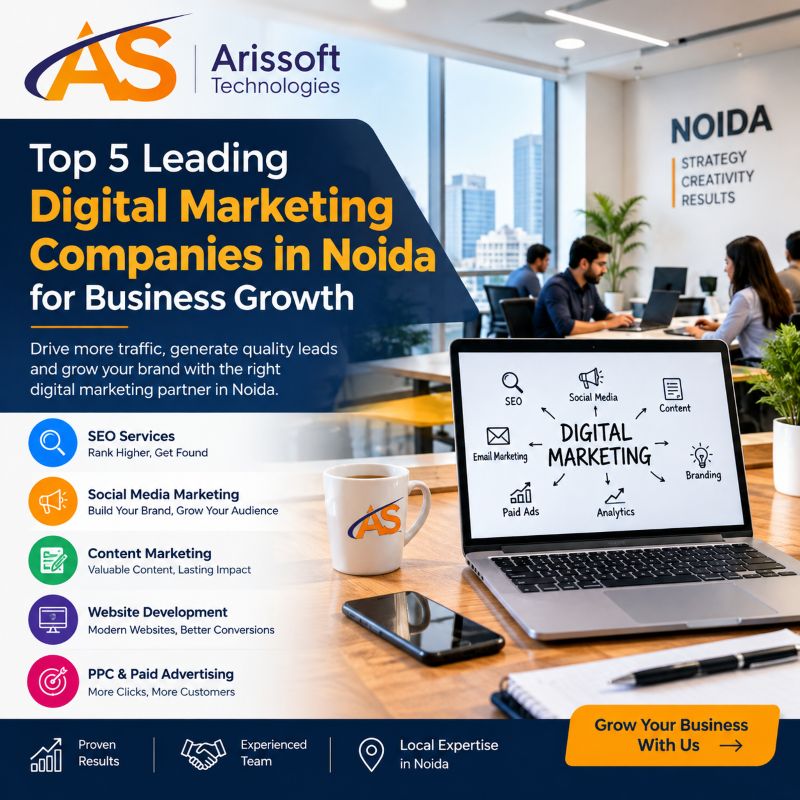 Top 5 Leading Digital Marketing Companies in Noida for Business Growth
Top Benefits of SEO Services – Boost Your Online Presence and Business Growth
Top 5 Leading Digital Marketing Companies in Noida for Business Growth
Top Benefits of SEO Services – Boost Your Online Presence and Business Growth
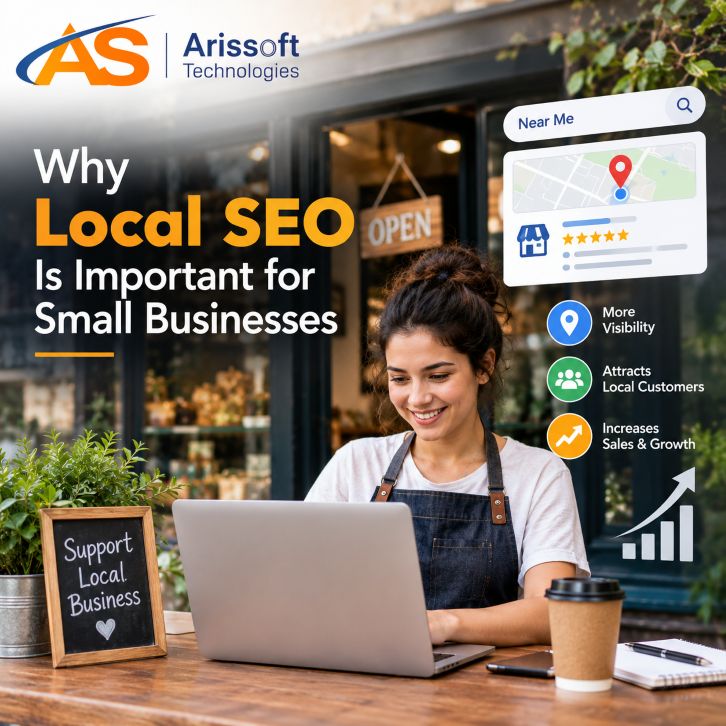 Why Local SEO Is Important for Small Businesses
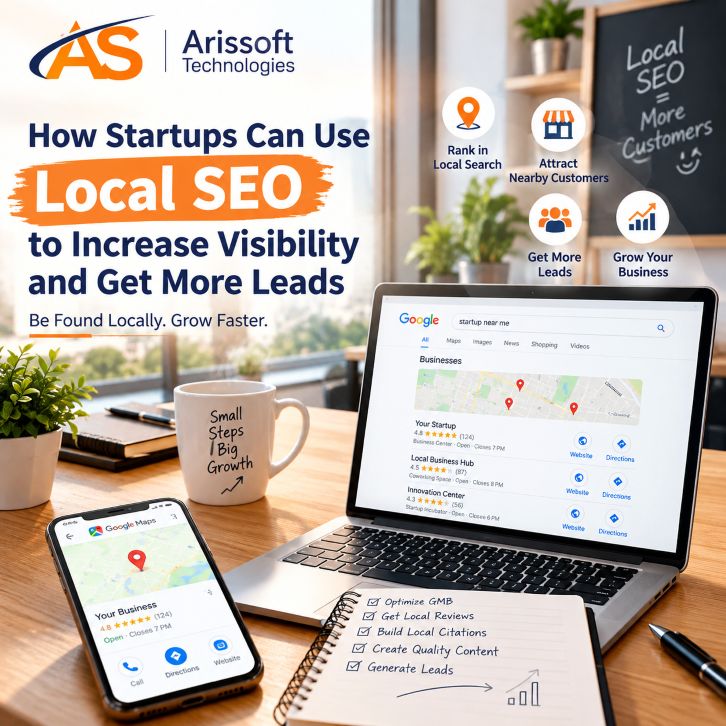 How Startups Can Use Local SEO to Increase Visibility and Get More Leads
 How It Works and Why It Matters for SEO.jpg) Search Engine Results Page (SERP): How It Works and Why It Matters for SEO
Search Engine Results Page (SERP): How It Works and Why It Matters for SEO
 Improve Your SEO Strategy with These Simple Schema Markup Tips

.jpg)